FSR Established Investigator Grant
The FSR Established Investigator Grant was launched in 2025. This grant provides an opportunity for research investigators with an established career and commitment to sarcoidosis as demonstrated through publication history, scientific accomplishments, and extramural funding.
International applicants are welcome to participate in the FSR Established Investigator Grant process. FSR limits applicants to submit only one grant proposal per funding cycle. Additionally, successful applicants are restricted from holding other FSR research funding at the time a new grant begins.
Established Investigator specifics:
- $200,000 award over 2 years
- 10% indirect costs allowed ($200,000 should include these indirect costs)
- Compensation for personnel—including principal investigators, co-investigators, and key study staff—may not exceed the NIH salary limitation in effect at the time of award
- Established commitment to the field (publication history or other scientific accomplishments)
- Demonstration of dedication to sarcoidosis and extramural funding (served as Principal Investigator on grants from FSR or other national, private or government agencies)
- Cross-institution or multidisciplinary collaborations encouraged

Applicants must submit a Letter of Intent in order to be considered for funding. You’ll be notified in January as to whether or not you’re invited to submit a full grant proposal. Full applications will not be accepted unless notification of invitation has been received from FSR.
Letter of Intent Instructions
1. Please enter all information as requested in all section on the ProposalCentral LOI application form.
2. Proposals should be no longer than two pages in length, single-spaced, utilizing 12-point font and 1-inch margins, and attached in PDF format in Section 7 (Attachments).
3. Proposals should include the following information:
- Principal Investigator eligibility
- Proven commitment and career accomplishments in sarcoidosis
- Project Title and Summary
- Brief description of project and research focus
- Primary objectives of the project
- Methodology
- Alignment with the FSR Research Agenda priorities and values.
- Please review this document here before applying. Appendix C (page 28-on) can help you prepare this section.
- You must mention the exact FSR Research Agenda Priority that best aligns with your project.
- Provide justification for the alignment of your proposal.
- Attachments
- Letter of Intent (2 pages, PDF)
- PI Biosketch (PDF, NIH or international equivalent format)
Letter of Intent must be submitted through ProposalCentral by the end of day on December 11, 2026.
Questions should be submitted to research@stopsarcoidosis.org
Applications will be evaluated in the following areas: (Scoring for each section is on a scale from 1-5: (1) - Exceptional, (2) - Very Good, (3) - Satisfactory, (4) - Marginal, (5) - Poor)
1. Based on the applicant/PI's statement of eligibility, do you feel that this individual qualifies as an Established Investigator (having an established career and commitment to sarcoidosis)?
2. Significance: the importance and potential impact of the proposed research on the field of sarcoidosis
3. Approach: the rigor and feasibility of the methods proposed to achieve the project’s goals
4. Alignment with FSR’s Research Agenda Priorities and Values: strength of alignment with investigator-identified primary priority. This will involve review by Patient Stakeholder as well as our Scientific Review Committee.
2027 Timeline for Applicants
- LOIs open October 16, 2026
- Deadline for LOIs: December 11, 2026
- Application invitations sent: Week of January 18, 2027
- Deadline for applications: March 8, 2027
- Review period: March – April 2027
- Awardee notification: Late May 2027
FSR Research Agenda
The Foundation for Sarcoidosis Research (FSR) has undertaken a comprehensive process to develop a new research agenda that will guide its funding priorities and strategic direction. FSR employed a rigorous four-stage process to develop its research priorities, including conducting a literature review; hosting a brainstorming workshop with key stakeholders including physicians, patients, and caregivers; conducting direct stakeholder interviews; and facilitating a quantitative prioritization survey of the FSR community. https://www.stopsarcoidosis.org/wp-content/uploads/FSR_2025_ResearchAgenda_-Final.pdf
Through this process, FSR established five primary research priorities and six research values that should guide all funded research.
Research Priorities
Successful research proposals will need to be aligned with one or more of the following priorities:
Research Values
Where appropriate and/or possible, all FSR-funded research should demonstrate the following characteristics:
2026 Awardees
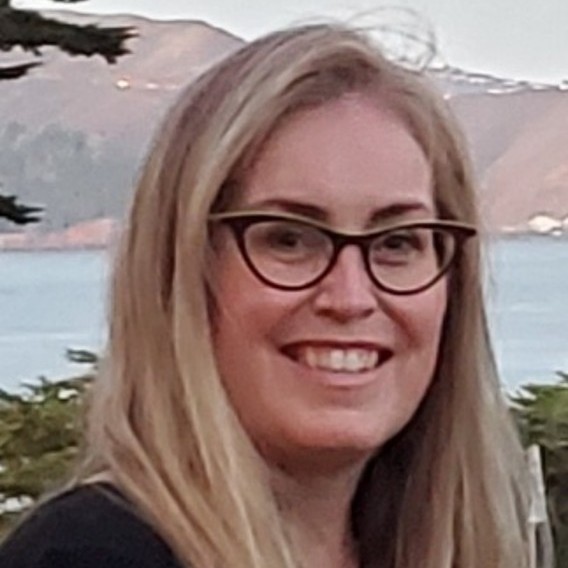
Dr. Laura L. Koth is a Professor of Medicine at the University of California, San Francisco and founder of the university’s Sarcoidosis Research Program. Her research focuses on understanding the immune and molecular mechanisms that drive progressive pulmonary sarcoidosis, with the goal of improving prognostic tools and developing more targeted therapies. Over the past two decades, her work has helped define systemic immune signatures, T-cell dysfunction, and biomarker pathways associated with disease progression through the integration of longitudinal clinical cohorts and translational immunology research. Her current work combines transcriptomics, proteomics, flow cytometry, and single-cell epigenomics to identify biologically meaningful immune states linked to irreversible lung function decline in sarcoidosis. This award will support studies examining CD28low CD4+ T cells and impaired immune helper function as potential drivers of progressive disease, with the broader aim of advancing biomarker-guided approaches and therapeutic development for patients with sarcoidosis.
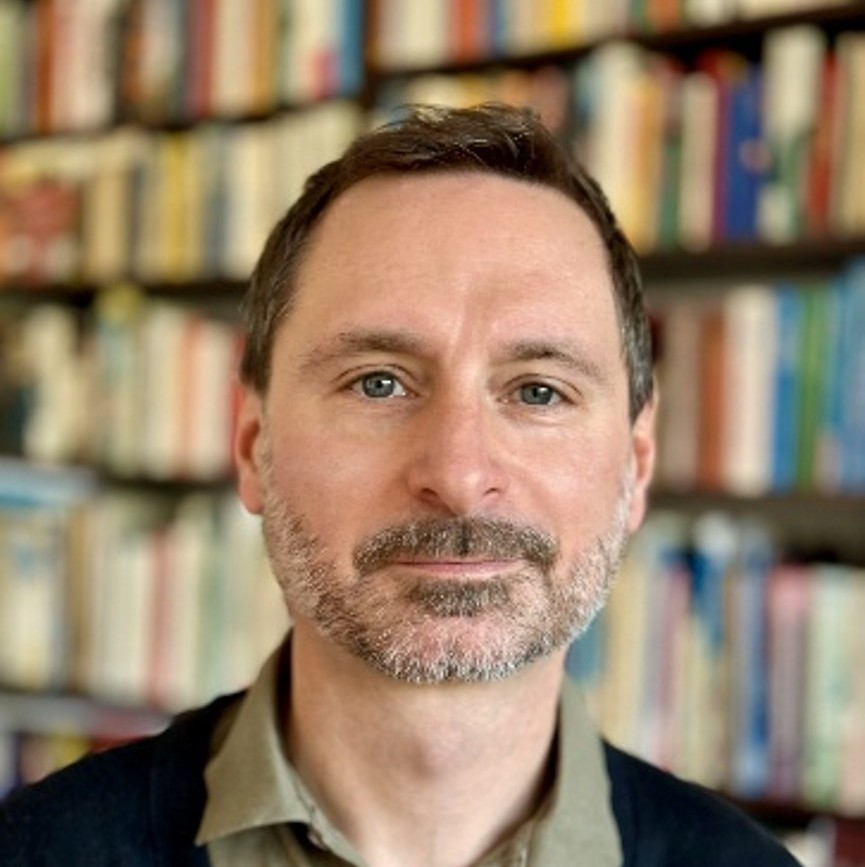
Thomas Weichhart, PhD, is Associate Professor at the Medical University of Vienna, where he leads a research program focused on immunometabolism, macrophage biology, and granulomatous inflammation. His work investigates how metabolic and signaling pathways regulate macrophage activation, granuloma formation, fibrosis, and chronic inflammatory disease, with a particular emphasis on sarcoidosis.
Over the past decade, his laboratory has identified key metabolic mechanisms driving granuloma formation, including the discovery that chronic mTORC1 activation in macrophages is sufficient to induce spontaneous granulomatous inflammation in vivo. His research combines mechanistic studies with translational patient-based approaches, including biomarker discovery, metabolomics, and patient-derived granuloma models, with the goal of improving disease stratification and treatment monitoring in sarcoidosis.
Questions should be submitted to research@stopsarcoidosis.org